
How to Start a Small Herb Garden Indoors: A Beginner’s Guide
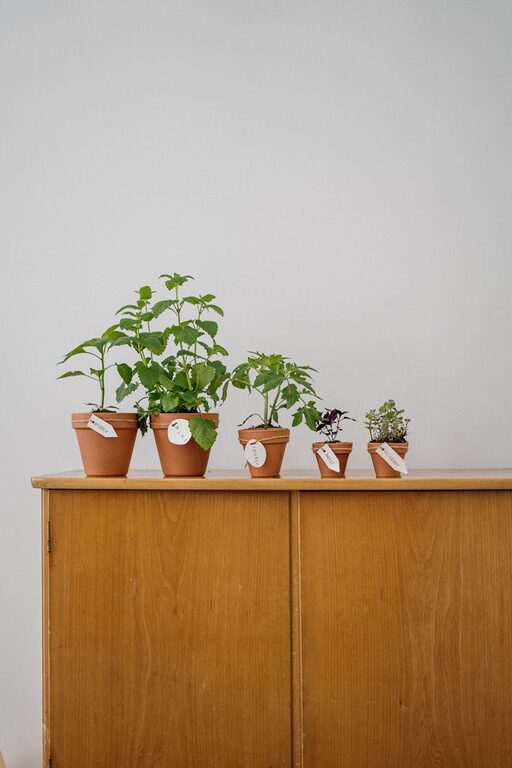
Starting a small herb garden indoors is a rewarding and enjoyable way to bring fresh flavors to your kitchen while adding a touch of greenery to your home. Whether you have limited outdoor space or want to grow herbs year-round, an indoor herb garden is a practical solution. This guide will walk you through everything you need to know to get started, from choosing the best herbs to caring for them in your home environment.
Why Grow Herbs Indoors?
Growing herbs indoors offers several benefits:
– Freshness: Have fresh herbs like basil, mint, or parsley at your fingertips whenever cooking.
– Convenience: No need to buy herbs from the store repeatedly.
– Aesthetic: Adds natural beauty and a pleasant aroma to your home.
– Education: Great for learning about plants and gardening on a small scale.
– Control: Easier to manage pests, soil, and watering.
Choosing the Right Herbs for Indoor Gardening
Not all herbs thrive indoors, so start with varieties that adapt well to indoor conditions.
Best Herbs for Indoors:
– Basil: Loves warm, sunny spots. Great for cooking.
– Mint: Grows quickly, but keep it contained as it spreads.
– Parsley: Prefers medium light; a versatile herb.
– Chives: Ideal for windowsills with moderate sunlight.
– Thyme: Small leaves and woody stems, easy to maintain indoors.
– Oregano: Hardy and needs bright light.
– Cilantro: Likes cooler temperatures and moderate light.
Try to pick 3-4 herbs initially to keep your garden manageable.
Selecting Containers and Soil
Containers:
Choose pots with good drainage holes to prevent waterlogging. Options include:
– Ceramic pots
– Plastic containers
– Recycled containers (just add drainage holes)
– Herb garden kits with compartments
Smaller pots work well for herbs with compact root systems.
Soil:
Use a high-quality potting mix designed for indoor plants. Avoid garden soil which can be heavy and may contain pests. A well-draining potting mix helps prevent root rot.
Finding the Perfect Spot
Herbs need plenty of light for healthy growth.
– Sunlight: Aim for 6–8 hours of natural sunlight daily. A south-facing windowsill is ideal.
– Supplemental light: If natural light is low, use grow lights for 10–12 hours per day.
– Air circulation: Keep the area well-ventilated to prevent mold and mildew.
Avoid areas with drafts or sudden temperature changes, such as near heaters or air conditioners.
Planting Your Herb Garden
From Seeds or Starter Plants?
– Seeds: More economical and satisfying but require more time and patience.
– Starter plants: Easier and quicker; great for beginners.
Planting Steps:
- Fill containers with potting mix, leaving about 1 inch from the top.
- If planting seeds, follow packet instructions for depth and spacing.
- Place starter plants gently in the soil and cover roots completely.
- Water thoroughly but avoid soggy soil.
Watering and Feeding
Watering:
Most indoor herbs prefer moist but not wet soil.
– Check soil moisture daily by touching the top inch.
– Water when the soil feels dry.
– Use a watering can or spray bottle to avoid overwatering.
– Ensure excess water drains away.
Feeding:
– Fertilize herbs once every 4–6 weeks during the growing season.
– Use a balanced, water-soluble fertilizer diluted to half strength.
– Avoid overfertilizing as it can affect flavor and plant health.
Maintaining Your Indoor Herb Garden
Pruning and Harvesting:
– Regularly pinch off leaves to encourage bushier growth.
– Harvest herbs in the morning for best flavor.
– Avoid removing more than one-third of the plant at once.
Pest Control:
– Inspect plants regularly for pests like aphids or spider mites.
– Remove pests with a mild soap solution or gently wash leaves.
– Maintain good air circulation to keep plants healthy.
Repotting:
– Repot herbs when roots outgrow the container or soil quality declines.
– Use fresh potting mix and a slightly larger pot.
Troubleshooting Common Issues
– Yellow leaves: Often due to overwatering or poor drainage.
– Leggy plants: Lack of sufficient light. Move closer to a window or add grow lights.
– Slow growth: May need more nutrients or a better light source.
– Wilting: Can result from underwatering or root problems.
Tips for Success
– Label your herbs to remember their names and care needs.
– Rotate plants occasionally to ensure even light exposure.
– Keep a journal to track watering, feeding, and harvesting.
– Experiment with herb combinations that thrive together.
– Use clean scissors or garden shears for harvesting to avoid damage.
Conclusion
Starting a small herb garden indoors is a simple and enjoyable way to enhance your cooking and home environment. By selecting the right herbs, providing ample light, and maintaining proper watering and care routines, you can enjoy fresh, homegrown flavors year-round. Happy gardening!
—
Feel free to share your indoor herb garden experiences or ask questions in the comments below. We’d love to hear how your garden grows!